Gravel for driveways, like crushed rock, pea gravel, and decomposed granite, offers durability, great drainage, and diverse aesthetics. Each kind has distinct qualities impacting stability and upkeep — size, shape, composition, and color are all crucial in gravel selection. A professional driveway construction team can help you choose the right type for your project. Advantages include cost-efficiency, resilience against heavy loads and weather, and inherent stability, while routine upkeep — filling potholes, managing weeds, and leveling — guarantees longevity.
Types of Gravel for Driveways
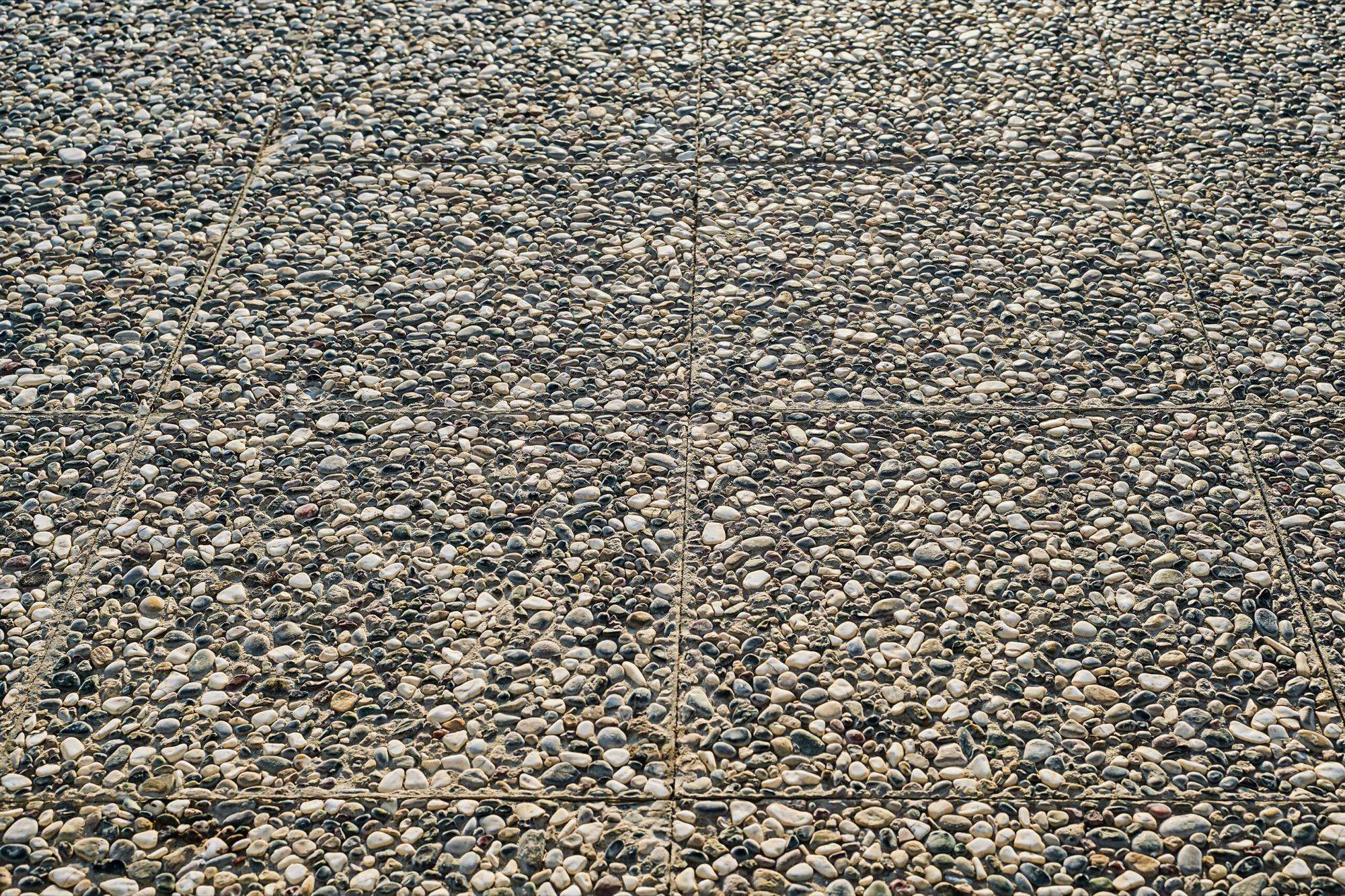
When selecting gravel for driveways, it’s worth weighing various types that offer durability and aesthetic appeal. One popular option is crushed stone, a versatile material available in various sizes and colors. Crushed stone provides excellent drainage and compacts well, making it a durable driveway choice. Pea gravel, by contrast, consists of small, smooth, rounded stones that are comfortable to walk on but may shift over time — it’s essential to install edging to contain pea gravel effectively. Another common driveway gravel is decomposed granite, a coarse material that compacts tightly and provides a stable surface. Decomposed granite is available in different colors and is a low-maintenance option. Each type offers unique characteristics, so it’s worth considering climate, maintenance requirements, and budget when choosing the best gravel for your driveway.
Factors to Consider When Choosing
In selecting driveway gravel, it’s essential to assess a few specific factors that influence the best choice for long-term durability and functionality. One key factor is the size of the gravel — smaller gravel sizes, such as pea gravel, are ideal for creating a smooth surface suitable for walking and driving, while larger sizes like crushed stone provide better vehicle stability and traction. Another significant consideration is the shape of the gravel particles: angular gravels interlock better, creating a more stable surface than rounded gravels that may shift under pressure.
Composition matters too — opting for crushed rock composed of granite or limestone can enhance durability and prevent erosion, offering a longer-lasting driveway solution. The color of the gravel is also worth considering, since it can complement the property’s aesthetic. Weighing these factors carefully helps you select the most suitable gravel type for both functionality and visual appeal.
Benefits of Using Gravel
Using gravel for driveways offers numerous advantages in cost-effectiveness, durability, and ease of maintenance. Gravel is more cost-effective than other driveway materials like concrete or asphalt — its initial installation cost is lower, and maintenance expenses over time are minimal. Gravel driveways are also known for their durability, withstanding heavy loads and harsh weather conditions without significant wear and tear. The natural interlocking properties of gravel particles create a stable surface that reduces the risk of potholes and rutting.
Another benefit is ease of maintenance. Regular upkeep mainly involves adding more gravel to fill in any areas that may have been displaced due to traffic or weather. Unlike concrete or asphalt driveways, which require sealing or resurfacing, gravel driveways can be easily repaired by raking and leveling the surface. Gravel also allows for better drainage, reducing the risk of water pooling and prolonging the driveway’s lifespan.
Maintenance Tips for Gravel Driveways
Proactive maintenance is essential for preserving the integrity and appearance of a gravel driveway. Regularly inspect the driveway for signs of potholes, erosion, or weed growth, and fill in potholes promptly to prevent further deterioration and guarantee a smooth driving surface. Addressing erosion by adding more gravel to needy areas can also help maintain the driveway’s level and prevent drainage issues.
Applying a herbicide to control weed growth can contribute to overall upkeep — weeds detract from the appearance and can cause damage by displacing the gravel and creating an uneven surface. Finally, grading the driveway periodically to redistribute the gravel and ensure proper drainage will help prolong the life of your gravel driveway and keep it looking well-maintained for years to come.