
Waterproofing & Drainage Systems
The least glamorous work we do, and some of the most important — keeping water away from foundations, slopes, and slabs.
The craft
Water always wins — unless you plan for it
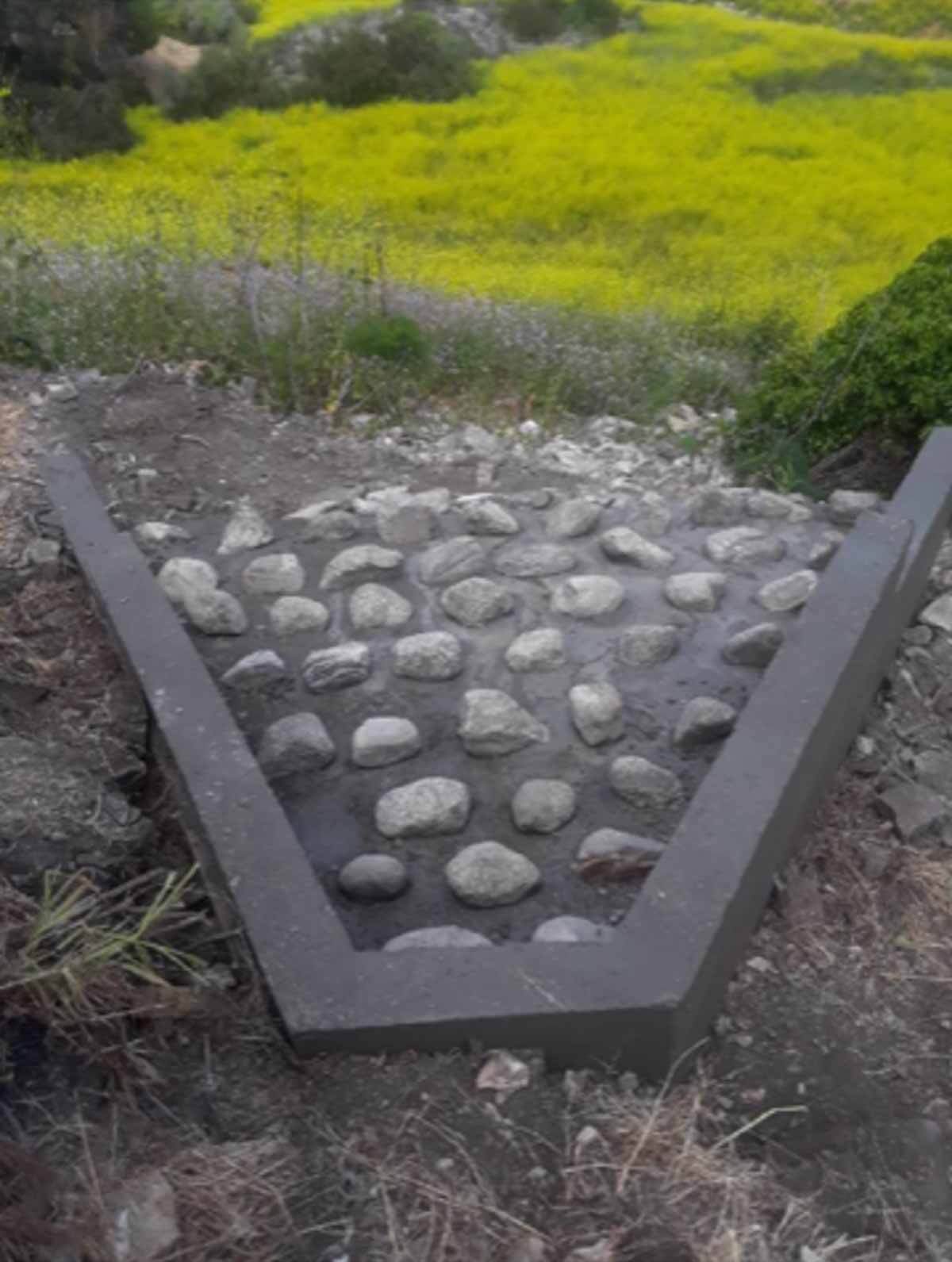
Every slab, wall, and foundation we build is designed around one question: where does the water go? The same thinking fixes properties where water is already winning — we excavate and seal foundations below grade, set drain lines that give runoff somewhere to go, and armor slopes and channels with grouted riprap that stops erosion for good.
It’s diagnosis work as much as construction: finding where the water comes from, where it’s going, and the simplest system that redirects it.
When we remodeled I hired a competent engineering firm to redesign the walkways and drainage… I asked your opinion and you came up with a different plan. When I showed your plan to the engineers, I was told that your plan was much better than theirs. Here I am with a record rainfall and sitting pretty, all thanks to you.
Foundation waterproofing
When water sits against a foundation, it finds its way in. The fix is done from the outside: excavate to the footing, strip what’s failed, seal the wall with a membrane, and give the water a drain line that leads it away — then backfill and put the yard back.
Riprap & erosion control
Where runoff concentrates — at pipe outlets, channels, and hillside swales — rock set and grouted in concrete breaks the water’s energy and holds the soil, season after season.
Common questions about water & drainage
How do I know if I have a drainage problem?
Water standing against the house after rain, damp interior walls, efflorescence (white mineral bloom) on slabs or block, and soil washing out of slopes are the usual signs. Catching it early is dramatically cheaper than repairing a soaked foundation or a slope failure.
What does foundation waterproofing involve?
Excavating down to the footing, stripping any failed material, sealing the wall with a waterproofing membrane, and setting a drain line to carry water away before backfilling — the projects on this page show each stage. It only works if the water has somewhere to go, which is why the drainage design matters as much as the membrane.
What is riprap for?
Where concentrated runoff exits a pipe or channel, it hits the ground with enough energy to carve it away. Riprap — rock set and grouted in place — breaks that energy and armors the soil so a hillside or channel stays put through the wet season.
What does drainage work cost?
It depends entirely on the problem — a surface drain run is a different project from excavating and waterproofing a foundation wall. Estimates are always free: call (310) 539-8023 and we’ll come look at where the water is going.
Let’s build something that lasts
44 years of South Bay craftsmanship, one phone call away. Estimates are always free.