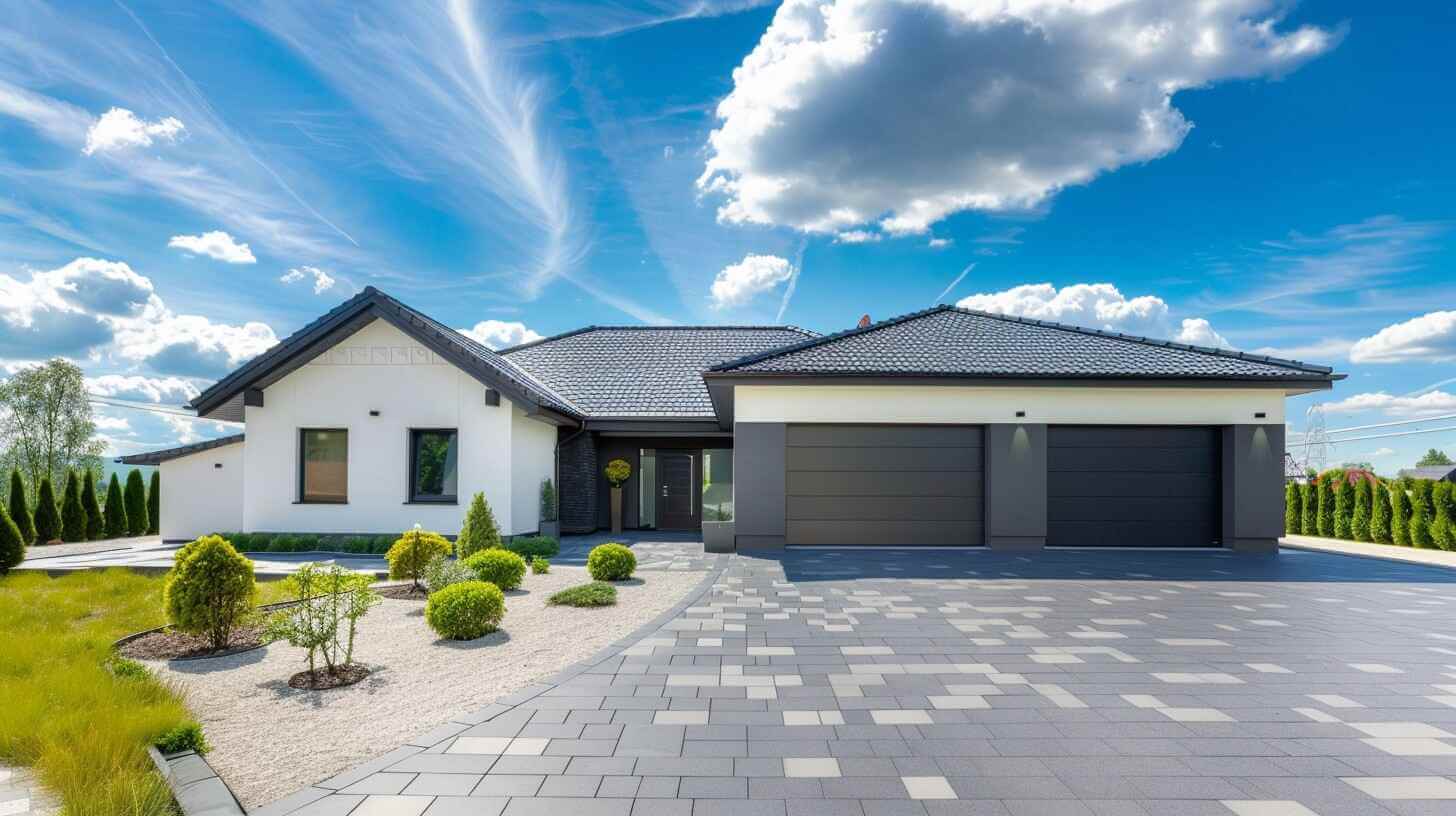
Driveways are typically made of concrete, asphalt, brick, gravel, and cobblestone. These options provide durability, cost-effectiveness, aesthetic appeal, and varying maintenance needs. Modern alternatives like permeable pavers and resin-bound surfacing also offer sustainability and design flexibility, using permeable, recycled, or reclaimed materials to reduce environmental impact. Climate, traffic, slope, and budget all influence material selection — consulting a driveway contractor expert and exploring the range of materials available can help you decide what fits your specific needs.
Traditional Materials
Traditional driveways are typically constructed using materials that have been used for many years due to their durability and aesthetic appeal. One of the most common is concrete — famous for its strength and longevity, making it a reliable choice for homeowners. Another traditional material is asphalt, known for its affordability and ease of installation. Despite being more prone to cracking than concrete, asphalt driveways are still widely used.
Brick driveways are also a traditional option, offering a classic and timeless look. The interlocking nature of bricks provides strength and flexibility, allowing for easy repairs if needed. Gravel driveways, while less common in urban areas, are a traditional choice in rural settings due to their natural appearance and cost-effectiveness.
Lastly, cobblestone driveways are a luxury traditional option known for their elegance and durability. While more expensive to install, cobblestone driveways add a touch of sophistication to any property.
Modern Alternatives
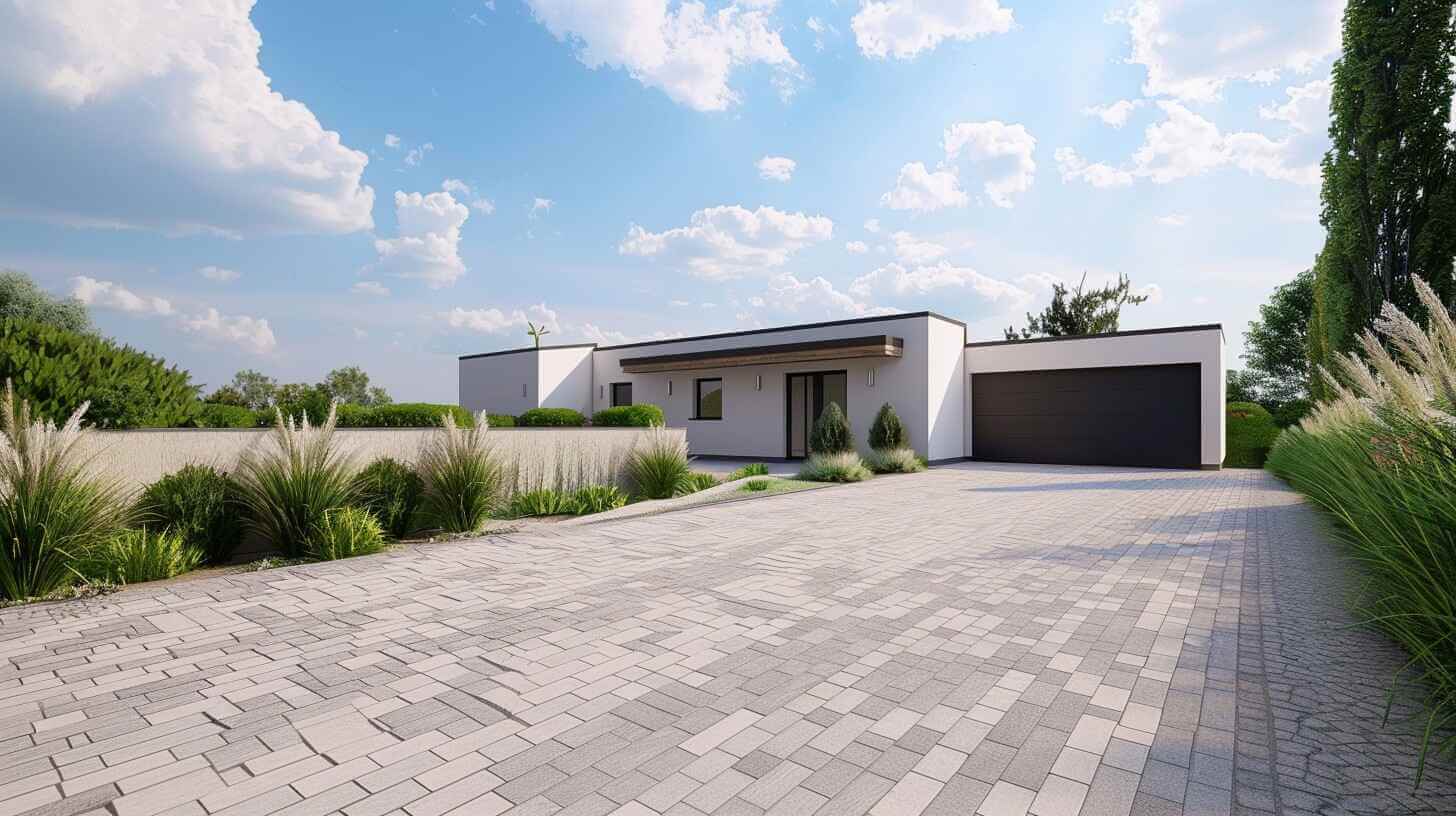
Modern alternatives have emerged as innovative options that offer unique advantages in sustainability, design flexibility, and maintenance requirements. One such alternative is permeable pavers, which allow water to seep through the surface and reduce runoff, helping to prevent water pooling and erosion. These pavers come in various shapes, sizes, and colors, allowing homeowners to create custom designs.
Another modern alternative is resin-bound surfacing, a mixture of aggregate stones bound together with a clear, UV-stable resin. This option is highly durable, resistant to cracking, and requires minimal maintenance, while also remaining permeable to reduce the risk of flooding.
Recycled materials like crushed concrete or reclaimed asphalt can also create eco-friendly driveways — reducing waste while offering a cost-effective, sustainable solution.
Sustainable Options
Sustainable driveway options incorporate environmentally friendly materials and design strategies to minimize environmental impact and promote long-term ecological balance. These options focus on porous materials that allow water to infiltrate the ground, reducing runoff and helping to recharge groundwater. Permeable pavers, gravel, crushed stone, and grass or gravel grids are commonly used in sustainable driveway construction.
Sustainable driveways also consider the overall lifecycle of the materials used. Choosing recycled or reclaimed materials can notably reduce a driveway’s environmental footprint — for example, recycled concrete or reclaimed asphalt can be crushed and reused as base layers, reducing the need for new materials and diverting waste from landfills. Sustainable design may also incorporate techniques like rain gardens or bioswales to manage stormwater runoff, enhancing curb appeal while minimizing erosion and filtering pollutants.
Factors to Consider
When evaluating driveway options, several factors can impact functionality, durability, and overall performance. Climate is a vital consideration, since different materials react differently to varying weather conditions. The amount of traffic the driveway will endure matters too — for high-traffic areas, durable materials like concrete or asphalt may be more appropriate, while options like gravel or pavers could be sufficient for lower-traffic residential driveways.
The slope of the driveway also plays a role in material selection — steeper inclines may require materials with better traction to prevent slipping, such as textured concrete or interlocking pavers. And of course, budget constraints can impact the choice of material: while concrete and asphalt offer durability, they can be more costly upfront than gravel or crushed stone options. Balancing cost with longevity is key to choosing the most appropriate material for your driveway.